

Facelift & Neck Lift
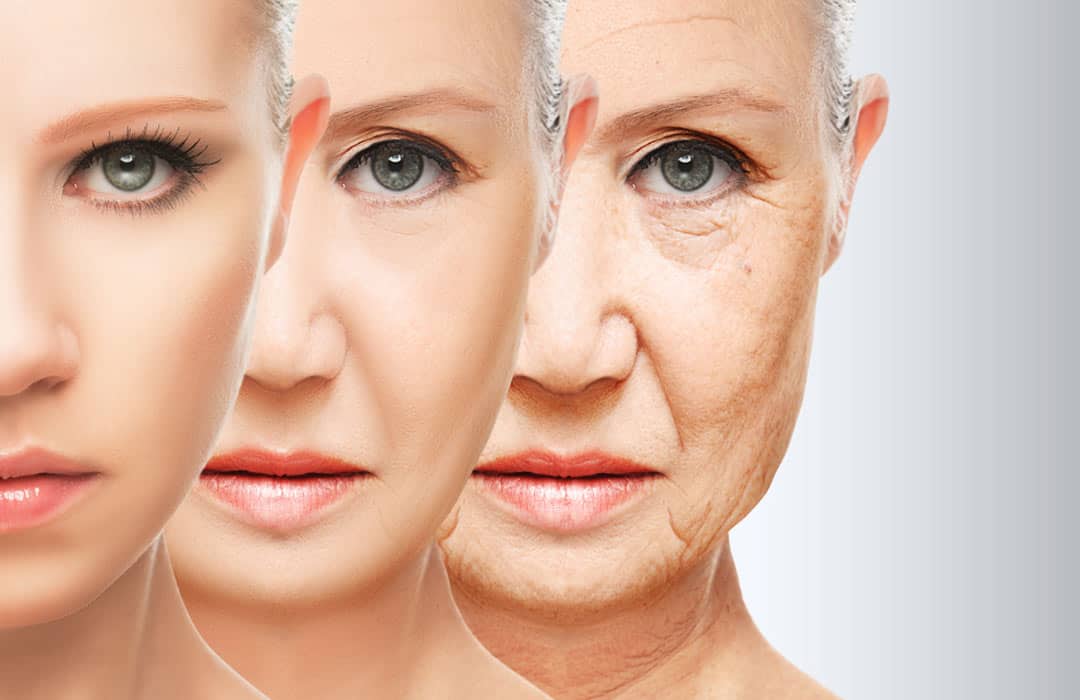
(Rhytidectomy, Meloplasty, Platysmaplasty)As we age the skin and soft tissues of our face and neck undergo a host of changes. These range from fine lines and wrinkles to more dramatic changes such as excessive skin laxity and sagging. Reduced facial definition occurs as volume shifts down from the cheeks towards the lower face which contributes to heaviness in the jowl area and redundant skin beneath the chin and neck. These changes, when combined with aging of the forehead and eyes, all contribute to an older, tired and worn out look. Reduced facial volume and bony remodelling can also occur however the effects of gravity on our face causing redundant and unfavourably positioned soft tissue cannot be understated and the facelift is therefore the procedure of choice to correct these issues and achieve your aesthetic goals.

Understanding face and neck lifts
The facelift is a surgical procedure developed to address the changes that occur in the face as we age.
Early facelift techniques attempted to create ‘lift’ by pulling on the skin in isolation of other tissue structures. Unsurprisingly, excessive and unnatural skin tension often occurred resulting in a wind-swept appearance that looked unnatural.
Advances in facelift techniques have now led to significant improvements in aesthetic outcomes. The Deep Plane Facelift, as performed by Dr Cleland, is performed by mobilising and tightening a layer of tissue beneath the skin known as the SMAS (superficial muscular aponeurotic system). When this layer of tissue is tightened, the skin moves with it, without transferring any tension to the surface of the skin. The Deep Place Facelift technique achieves youthful and natural results without looking pulled, stretched or artificial.
A neck lift is often performed at the same time as a facelift but can also be performed in isolation for select patients. As we age the muscles of the neck can drop and become loose beneath the skin. This can create what is known as a ‘turkey neck’. Platysmal bands are another common complaint and appear as prominent vertical lines in the midline of the neck. To correct this the muscle (platysma) beneath the skin here can be retightened as part of the neck lift procedure to maximise your results.
Dr. Cleland’s preferred facelift technique, which he performs in Adelaide, is the Deep Place Facelift. Each procedure is however customised to meet his patient’s needs and other technqiues may be utilised to achieve their goals. During your consultation, Dr. Cleland will discuss the various options with you, as part of a comprehensive facial rejuvenation plan.
FACELIFT & NECKLIFT FAQs
WHEN IS THE RIGHT TIME TO HAVE A FACELIFT?
The progression of facial ageing takes place differently for each of us. Natural aging can be compounded by environmental factors, including sun damage and smoking.
You may initially be able to stave off the effects of ageing with a combination of non-invasive treatments. But once your skin and muscles have started to droop, it may be the right time for a facelift. This can take place at any age from 40 onwards.
Patients with less advanced ageing will typically see more subtle results whilst those with advanced facial ageing will feel that the changes are more dramatic. In each case, the aim is to return the face to a natural-looking, youthful appearance.
WHO IS THE IDEAL CANDIDATE FOR A FACELIFT OR NECKLIFT?
The ideal facelift candidate is an adult man or woman who has visible signs of aging (eg. sagging facial skin/tissues, jowling or redundant skin in the neck). The ideal candidate should also be a non-smoker with a stable weight. Patients should also have a positive outlook and realistic expectations from the surgery.
HOW LONG IS THE FACELIFT OR NECKLIFT SURGERY TIME?
Every surgery is different. The average facelift surgery will take between 3-4 hours. Your individual surgery time is based upon the type of work that you are having done and may be longer if additional procedures are performed at the same time.
WHAT ANESTHESIA IS USED FOR SURGERY?
Surgery may be performed under local anaesthesia with sedation or general anaesthesia. Dr. Cleland will discuss your options with you.
WILL I NEED A HOSPITAL STAY?
Patients are typically released from the surgical centre when they recover from the anaesthesia. More complicated procedures may need an overnight stay in an Adelaide hospital, for observation.
WHAT TYPE OF INCISIONS AND SCARS WILL I HAVE?
Dr. Cleland is a skilled surgeon who uses advanced techniques to ensure minimal scarring for his patients. Facelift incisions are placed at or behind the hairline and are hidden in the natural folds around the ear. Wounds are closed with meticulous suturing techniques and scarring is typically minimal. Patients can also optimise the healing of their scars by following postoperative wound care instructions.
WHAT HAPPENS AFTER SURGERY?
Patients can expect to feel some tightness and discomfort. Pain medication and ice packs can help to manage the discomfort felt. Patients may feel fatigue after surgery and should listen to their body when it’s time to rest.
AVERAGE RECOVERY TIME
Patients typically return to work within 1 to 2 weeks. Patients can resume light activity after 2 weeks and return to normal activities after 4 weeks.
WHEN ARE RESULTS NOTICEABLE?
After surgery, there is typically mild bruising and swelling in the face and neck. Some changes are apparent immediately but as the swelling subsides over the first 2 weeks your final results will begin to emerge. More subtle changes will occur for up to 3 months and patients will continue to see their new refreshed face emerge during this time.
WHAT ARE THE POTENTIAL COMPLICATIONS I COULD FACE?
There is the potential for complications with any surgery. These typically include infection or bleeding. Specific complications of the facelift surgery could include infection, the formation of a hematoma, adverse scarring and nerve injury. These complications are rare.
WHAT KIND OF POST-OP FOLLOW-UP WILL I NEED?
The needs of each patient can vary. Typically speaking, we will see you at 1 week, 6 weeks, 3 months and 6 months, or as needed if there are any concerns.