The reasons for undergoing rhinoplasty surgery are varied, but broadly speaking fall into 3 categories:
Cosmetic rhinoplasty. Cosmetic rhinoplasty aims to change the appearance of the nose based on personal preference or gender affirmation. During the procedure measures are taken to maintain the normal function of the nose.
Functional rhinoplasty. Functional rhinoplasty improves the airflow through the nose. This is typically to improve symptoms of restricted nasal breathing or blocked nose. The aim of surgery here is to improve the function of the nose without significantly changing its appearance.
Combined rhinoplasty. Often changes in the appearance and function of the nose are required together as the form and function of the nose are closely related. Correction of both components together allows patients to achieve the maximum result. A good example of this would be correcting a crooked nose caused by trauma. Here straightening the nose will also improve airflow through the nasal cavity.

Having expertise in both facial plastic surgery and ENT surgery means that Dr Cleland can evaluate both the aesthetics and function of your nose.
Common surgical corrections include lowering a nasal hump, narrowing the nose, refining a bulbous or droopy nasal tip and correcting a deviated nasal septum. Other considerations for rhinoplasty include your age, skin type and the ethnic features of your nose which you may wish to preserve or alter to suit your aesthetic goals.
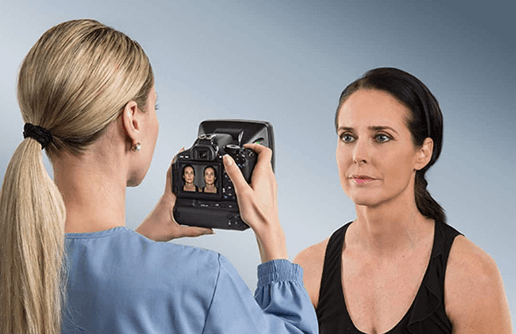
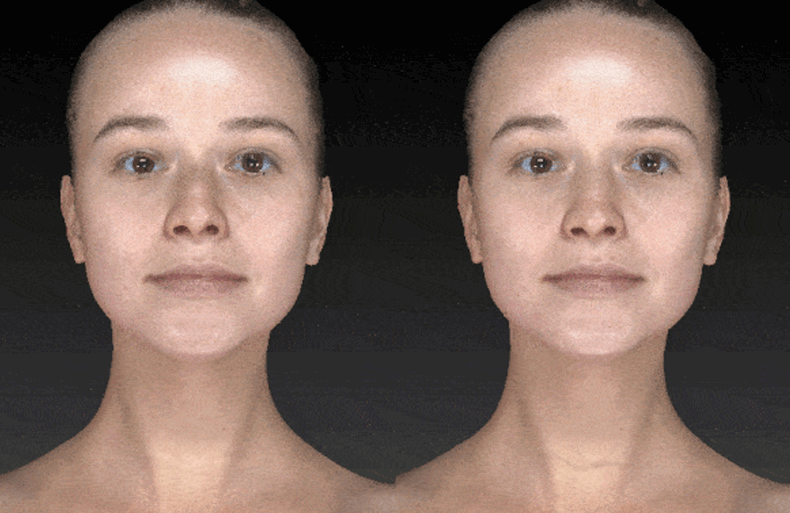
During your consultation, Dr Cleland will take pre-operative photos and will then use the Vectra imaging system to create lifelike before and after 3D images of your nose and face. This will allow you to have a clear visual of the post-operative results that can be achieved. It is one thing to discuss the changes you have in mind. It is another entirely to visualise those changes and further refine how you want your nose to look.

The procedure itself can take between 2-3 hours. It may be significantly longer in some cases where the reconstruction is more complicated or if the surgery is a revision.
General anaesthesia. For minor touch-ups, local anaesthesia or mild sedation will be used. Dr Cleland will ensure you are comfortable through every stage of the process.
Rhinoplasty is performed in a hospital setting. Routine and uncomplicated rhinoplasties may be performed as day surgeries. More complicated procedures, however, often require an overnight stay for observation.
Each surgery is different. Dr Cleland will use the surgical techniques that will best address your areas of concern. Dr Cleland most often uses an open technique which requires a small external incision under the tip of the nose. Scarring from this usually heals well and is not a concern for most patients. Scar management will be discussed with you. For select cases, a closed technique is used which is achieved by making small incisions inside the nostrils.
Each rhinoplasty procedure is unique and tailored to the requirements of the individual. Once the incisions are made, the skin and soft tissue covering the framework of the nose is raised. This allows access to the cartilage and bones of the nose where changes are then made to correct your concerns.
In cases where a previous rhinoplasty or nasal septal surgery has been performed, there is often a lack of cartilage in the nose. It is not uncommon in these cases to use cartilage that has been taken from another area of your body, such as the rib or ear. There are also other conditions that may require other tissue grafts and the use of synthetic materials. Dr Cleland will discuss this with you, if needed, during your preoperative consultation.
After recovering from the anaesthesia, patients will leave the hospital with comprehensive instructions in regards to their post-operative care and any medications which may be required. There will be noticeable swelling, and often bruising, initially however this will improve significantly during the first 1-2 weeks after surgery.
Most patients require just 2 weeks off of work. Patients are able to resume most activities after 2 weeks. There may be some minor residual swelling that persists for 3 to 6 months. This will not impact a patient’s ability to enjoy an active lifestyle.
Many of the changes made to your nose will be apparent immediately. Post-operative swelling can however make some changes less apparent initially. As the swelling subsides these changes will become more apparent. About 95 percent of postoperative swelling will have resolved in the first 3 months after surgery. Subtle changes will continue up to 6 months post-op.
Even with a highly skilled surgeon, there is always the risk for complications with any type of surgical procedure. The below risks are rare and are listed to inform you, not scare you. During a consultation Dr Cleland will discuss your medical history, current health status/medications and the surgical risks in general and also specific to you. It is then your decision to weigh up the risk vs benefit of proceeding with surgery.
General risks relating to surgery and anaesthesia are: Infection, bleeding that may require a return to the operating room, lung collapse, heart attack or stroke, blood clot, pain, scarring, prolonged healing, further surgery, death.
Specific risks relating to rhinoplasty surgery are: Numbness of the nose, top lip or upper front teeth, unfavourable scarring, septal abscess/haematoma, septal perforation, nasal obstruction, runny nose, impaired or lost sense of smell and taste, distortion in external nasal appearance, eye injury, ear changes (position), hairline changes and hair loss, punctured lung if rib used for grafting, changes in skin colour, prolonged skin redness, skin death, asymmetry or unsatisfactory cosmetic result.
Donor rib graft specific risks (only relevant if a donor graft is used) are: Resorption, warping, transmission of infectious disease, inflammatory response to foreign material
The needs of each patient can vary. Typically speaking, we will see you at 1 week, 6 weeks, 3 months and 6 months or as required.
Patients who find that they are unhappy with the results of a prior rhinoplasty may consider seeing Dr Cleland for an opinion in regards to revision rhinoplasty. The timeframe that a patient must wait before considering this option is typically 6 months after the initial procedure but may be earlier or later depending on your circumstances. The timing of revision surgery is influenced by several important considerations such as the nature of your previous procedure, the amount of residual swelling that is still apparent and the area in which your concern is occurring. Revision rhinoplasty is typically more complicated than primary rhinoplasty and Dr Cleland will offer his expert professional opinion on a revision procedure during your consultation.
An estimate of the surgical fees associated with rhinoplasty is $9,500 – $14,000. Every procedure is different and is tailored to your individual concerns and desired outcome.
After your consultation with Dr Cleland we will provide you with a quotation.
At that time we can also provide fee estimates for the hospital stay and the anaesthetist.
Fill in the form below and someone will contact you shortly to answer your questions.